Housing
Supply chain disruptions in Housing
In the Housing case studies, we investigate how housing provisioning systems—comprising construction, maintenance, and occupancy—respond to and recover from supply-chain disruptions.
We try to understand how disruptions in the supply of construction materials, labor, and energy affect the housing market, including the availability of affordable housing, the quality of living conditions, and the overall resilience of communities.
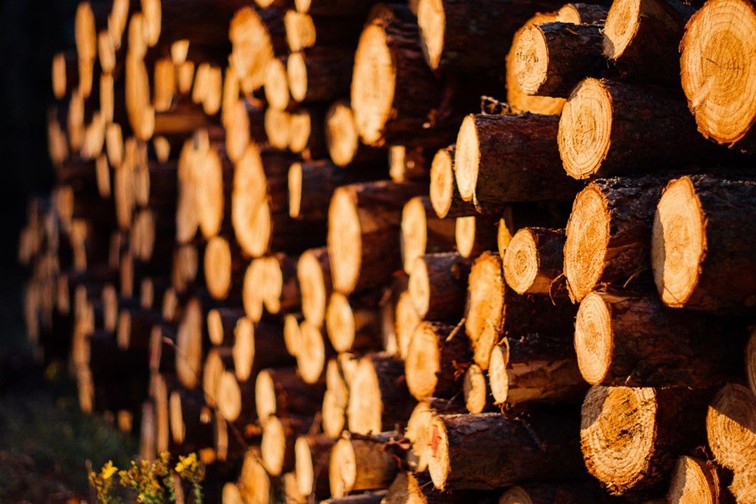
A silver bullet for decarbonizing the construction and buildings sector? The political economy of the wood-construction business and environmental trade-offs of scaling
-Principal researchers: Aleksandra Wojewska, Fabian Pfeiffer and Felix Maile
The construction and buildings sector is estimated to have consumed 32% of global energy and emitted 34% of total CO2 in 2023. Meanwhile, both global building stock and carbon footprint of the construction sector are expected to double by 2050. Cement production alone accounts for around 8% of global GHG emissions. In this context, wood-based housing is increasingly promoted as a low-carbon alternative to conventional construction, yet it currently accounts for only a small share of housing production. While policy debates
and industry strategies often suggest that wood construction can (and should) be scaled up
as part of a sustainability transition, there is limited research on the feasibility of
such scaling from a political economy and industry perspective as well as associated
social and environmental costs and risks.
This study project examines provisioning of wood-based housing, focusing on how current industry structures shape both the potential for and limitations to scaling and the distribution of environmental costs. The study thus asks whether wood construction can realistically expand beyond its niche position, given the current political economy of the wood-construction industry and business strategies of actors. Additionally, the study considers the environmental trade-offs associated with such scaling.
This study uses a mixed-methods approach, combining trade data analysis, firm-level interviews on scaling strategies in the construction and timber industries, analysis of relevant policy and industry documents as well as quantitative scenarios on future expansion of timber stock in buildings. The study will also conduct an analysis of the environmental and well-being impacts of various production scaling trajectories. Furthermore, it links raw material supply to economies of scale in production and to distribution channels as well as financing and global pricing conditions. In this regard, the study asks about possible or necessary tipping points for wood-based construction to replace cement on a large scale.
The study will focus on Austria, which presents a compelling case for examining the potential of timber construction for a more sustainable housing sector. This is due to its established timber industry, technological innovations, and a regulatory environment that promotes wood-based construction, making it a leader in this sector.
By shifting attention from static analysis of sustainability of wood construction to the question of scalability, the study provides wider insights into the opportunities, challenges, and contradictions of scaling alternative materials in global provisioning systems.
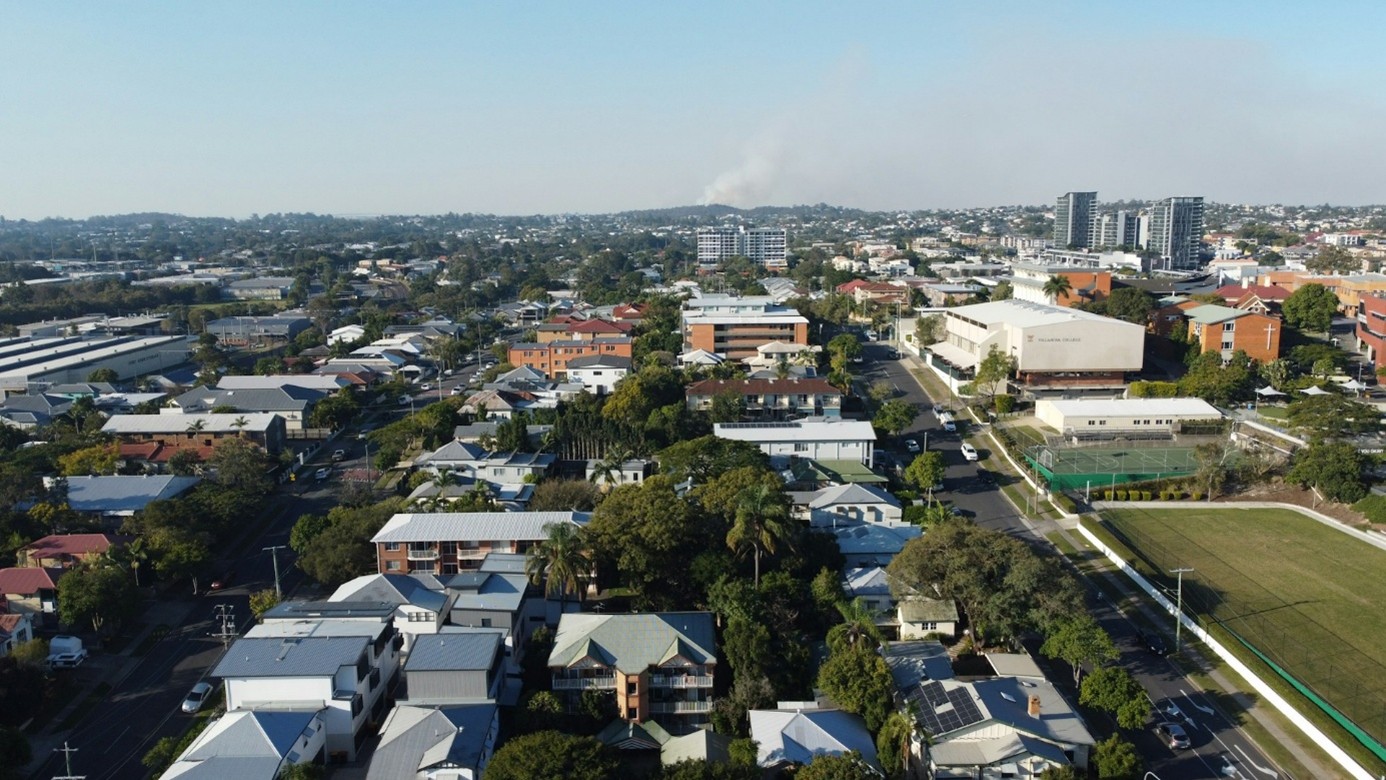
Exploring ownership, vacancy and affordability in Australia’s housing provisioning system
-Principal researchers: Sarah Ware and André Baumgart
This research examines how housing needs are currently met through a mixed-methods approach, quantifying the current and future material stock and flows associated with housing based on a political economic analysis of current policies and institutional structures that shape provision.
In addition to ownership, we examine vacant and underutilised building stock as unsustainable and explore how its predominance influences malleability towards a social ecological housing provisioning system and what policies may strengthen resilience to shocks and disruptions in this context. We will undertake a more fine-grained qualitative analysis of the current and potential future policy mix in Melbourne to explore the potential of a housing provisioning system based on social and ecological justice.
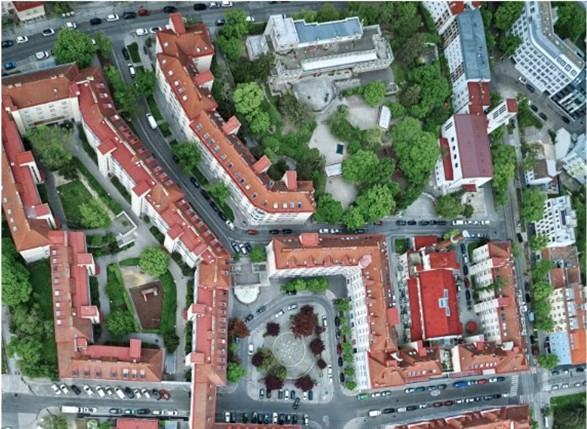
Influence of ownership on resilience and malleability of Austria’s housing provisioning system
-Principal researchers: André Baumgart and Sarah Ware
This research examines how housing needs are currently met through a mixed-methods approach, quantifying the current and future material stock and flows associated with housing based on a political economic analysis of current policies and institutional structures that shape provision.
We examine if and how ownership type influences the social and ecological sustainability of provision, and, through a prospective scenario approach, explore how different ownership combinations facilitate or hinder malleability towards a social ecological housing provisioning system and may strengthen resilience to shocks and disruptions. Additionally, we will attempt to connect these findings to best available data on vacant and underutilised building stock and zoom in to Vienna to explore the potential for a social ecological housing provisioning system at the city level.